

Amidst the continued growth of the utility task vehicle market, 2-passenger utility task vehicles remain one of the most classic and widely used models. Whether in golf courses, resorts, gated communities, or commercial properties, two-seater utility task vehicles are the preferred choice for many buyers and end-users due to their flexibility, economy, and operational efficiency.
Compared to multi-seat models, 2-passenger utility task vehicles are typically lighter, more energy-efficient, and better suited for frequent daily use. Therefore, they are not only standard equipment on traditional golf courses but are also gradually becoming an important means of transportation for short-distance travel in communities and commercial operations.
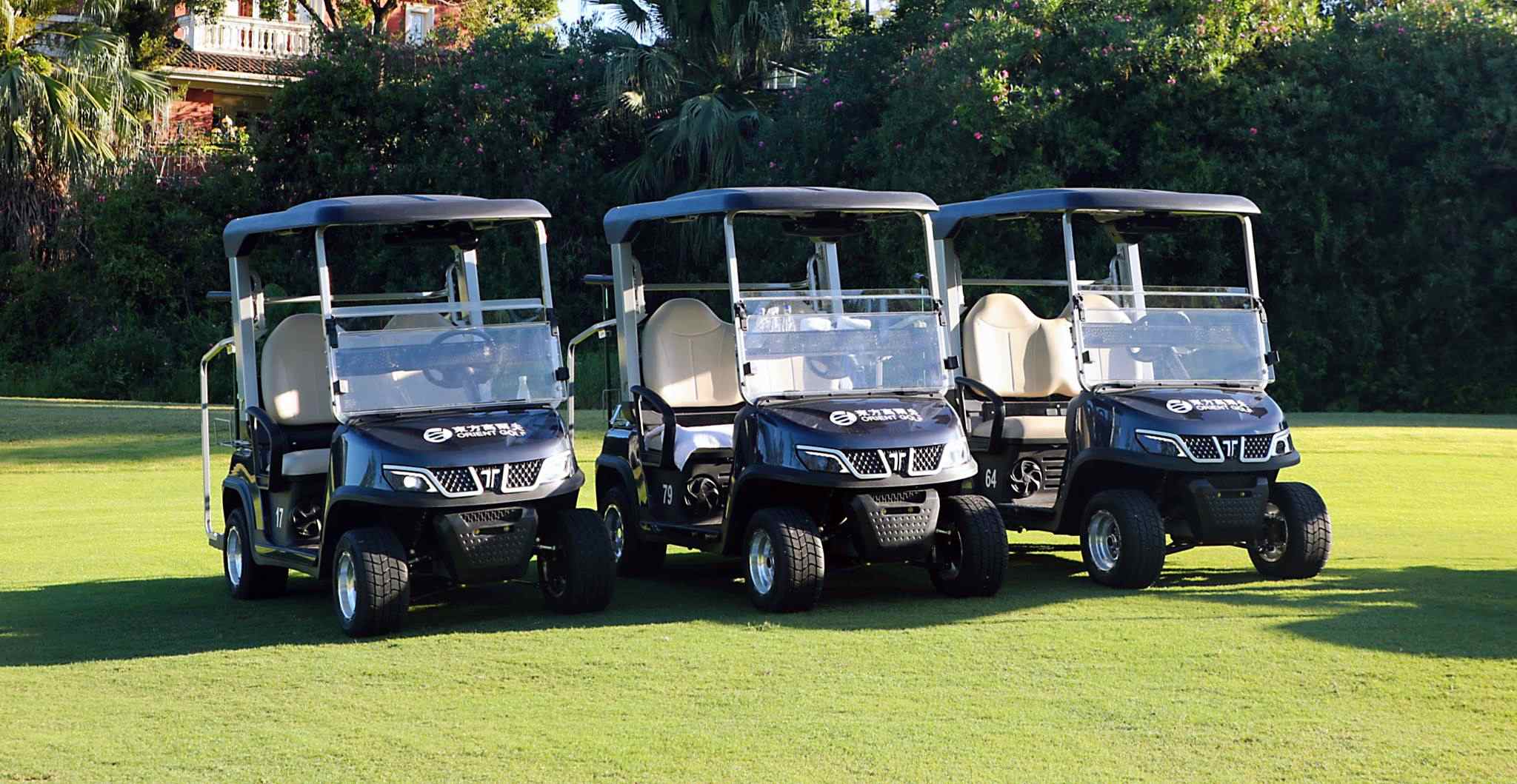
Why 2-Passenger Utility Task Vehicles Remain the Mainstream Model
Despite the increasing availability of 4-, 6-, and even more seat models, 2-passenger utility task vehicles maintain stable demand in the U.S. market. The main reasons include:
1. Better Fit for Standard Golf Usage
Golf is typically played with two people, making two-seater models more suitable for the actual needs of a golf course.
2. Lower Operating Costs
Compared to larger vehicles, two-seater models typically offer:
Lower energy consumption
Lighter weight
Lower maintenance costs
Higher charging efficiency
For Golf Course Fleet management, this translates to higher operational efficiency.
3. Greater Handling Flexibility
Smaller body size is better suited for:
Tournament paths
Community roads
Resort internal transportation
Narrow passageways
4. Better for Commercial Fleet Purchases
Many golf courses and property management companies purchase 2-Passenger Utility Task Vehicles in bulk to reduce overall procurement and maintenance costs.
Lithium-ion Battery Technology is Enhancing the Value of 2-Passenger Utility Task Vehicles
Today, more and more Electric Utility Task Vehicles are adopting lithium-ion battery systems. Compared to traditional lead-acid models, Lithium-ion Utility Task Vehicles offer even greater advantages in two-seater vehicles.
Longer Range
Meets the needs of all-weather course or community operations.
Faster Charging
Reduces vehicle downtime.
Lower Maintenance
Eliminate the need for frequent battery system maintenance.
Lighter vehicle body
Further improved energy efficiency and handling experience.
Therefore, lithium-ion batteries have become a key development direction for 2-Passenger Utility Task Vehicles.
Main application scenarios for 2-Passenger Utility Task Vehicles
Golf Course Fleet: This is the most traditional and core use case.
Resort Transportation: Stable demand for short-distance transportation within resorts.
Community Mobility: Increasingly, gated communities are using UTV Utility Task Vehicles for daily transportation.
Property Management: Two-seater vehicles are also suitable for property patrols and maintenance transportation.
Utility Vehicle Extended Applications: Some models can also be equipped with storage or tool functions.
How Tara meets the needs of commercial-grade two-seater vehicles
Tara’s products include:
Electric Utility Task Vehicle
Golf Course Fleet Vehicles
Utility Vehicle
Advantages of Tara vehicles:
Commercial-grade durable design
Optimized lithium-ion battery system
Multi-scenario adaptability
Nationwide sourcing support
Compared to products solely targeting the personal recreation market, Tara prioritizes long-term fleet stability and operational efficiency.
How to Choose the Right 2 Passenger Utility Task Vehicles
Key Considerations When Purchasing:
Battery Technology
Range Performance
Vehicle Durability
Maintenance Costs
After-Sales Service
U.S. Market Trends
With the increasing demand for low-carbon transportation and community mobility, 2 Passenger Utility Task Vehicles are upgrading in the following directions:
Intelligentization
Lithium-ion Battery Technology
Street Legal Utility Task Vehicle
Community Short-Distance Transportation
Multi-functional Utility Applications
In the future, two-seater models will remain an important basic model in the U.S. Utility Task Vehicle market.
FAQs
Q1: What are 2 Passenger Utility Task Vehicles mainly used for?
Mainly used in golf courses, community short-distance transportation, resort transfers, and property management scenarios.
Q2: Are lithium 2-passenger utility task vehicles better than lead-acid models?
Generally. Lithium utility task vehicles offer longer lifespan, lower maintenance costs, and higher energy efficiency.
Q3: Why do golf courses prefer 2-passenger utility task vehicles?
Because two-seater vehicles better meet practical needs, while also offering lower operating costs and more efficient fleet management.
Q4: Can 2-passenger utility task vehicles be used outside golf courses?
Yes. Modern electric utility task vehicles are widely used in communities, resorts, and commercial properties.
Conclusion
The key to the long-term core market position of 2-passenger utility task vehicles lies in their balance of economy, flexibility, and operational efficiency. With the continuous growth of lithium battery technology and community transportation needs, two-seater electric utility task vehicles are upgrading from traditional golf course tools to multi-scenario lightweight electric vehicle solutions. For buyers seeking long-term stable operation, brands with commercial-grade durability and lithium battery technology advantages, such as Tara, will be more in line with future market trends.
Post time: May-11-2026