

I. Battery-Powered Utility Task Vehicle: The Smart Choice Driving a Green Future
With the continuous advancement of new energy technologies, battery-powered utility task vehicles are gradually replacing traditional fuel-powered vehicles and becoming the ideal means of transportation for golf courses, resorts, parks, and private estates. Powered by clean energy, these vehicles offer zero emissions, low noise, powerful performance, and long driving range.
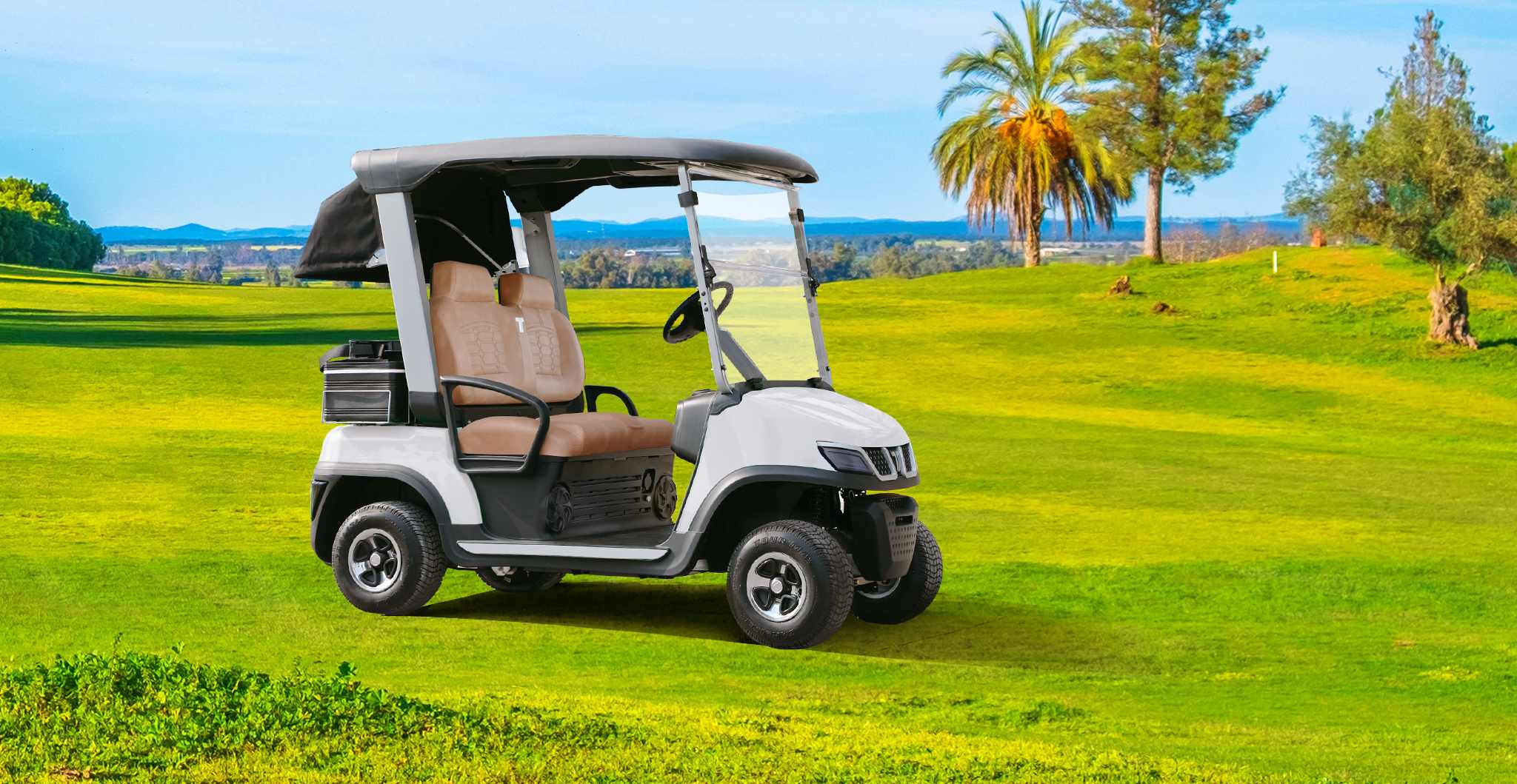
As a leading manufacturer, Tara has dedicated years of experience in the research and development and manufacturing of electric utility task vehicles and utility vehicles. Its diverse battery-powered utility task vehicle lineup has won nationwide acclaim for its efficient electric drive systems, durable batteries, and superior comfort. Tara is committed to making green travel more efficient and reliable through intelligent electrification.
II. Advantages of Electric Utility Task Vehicles
Battery-powered utility task vehicles not only embody the trend toward environmental protection but also epitomize the development of intelligent transportation. Compared to traditional fuel-powered utility task vehicles, it offers the following core advantages:
Energy-saving and environmentally friendly: Electric drive produces zero emissions, significantly reducing the carbon footprint;
Low maintenance: No oil, spark plug, or fuel filter changes required;
Easy to operate: Smooth starting and stopping, stable acceleration, low noise, and suitable for a variety of use scenarios;
Long-lasting power: Modern lithium-ion battery systems enable extended range and fast charging;
Intelligent management: Equipped with power monitoring and a battery management system.
Tara’s battery-powered utility task vehicle utilizes high-performance lithium-ion battery packs and intelligent control chips to achieve the perfect balance of power and range, meeting the diverse needs of golf courses, community transportation, industrial parks, and scenic area shuttles.
III. Battery-Powered Utility Task Vehicle Lifespan and Performance
How long do battery-powered utility task vehicles last?
Generally speaking, a high-quality electric utility task vehicle has a service life of approximately 8-10 years, and the battery life is typically 8-10 years, depending on frequency of use and maintenance. Tara’s electric utility task vehicles utilize a 48V, high-density lithium-ion battery system, enabling long-term, efficient operation. They also feature multiple battery protection features, significantly extending the vehicle’s lifespan.
What is the best battery-operated utility task vehicle?
The best electric utility task vehicle should offer powerful power, long-lasting range, and a comfortable ride.
Tara’s Explorer and Spirit series battery-powered utility task vehicles are industry benchmarks, equipped with advanced electronic control systems and high-torque motors, making them capable of easily navigating multi-slope courses or complex outdoor terrain.
IV. Common Problems and Solutions for Electric Utility Task Vehicles
What are the most common problems with electric utility task vehicles?
Common problems with electric utility task vehicles include:
Battery degradation: Long-term improper charging or excessive discharge can affect capacity;
Controller failure: Poor electrical contact may be caused by humidity or dust;
Worn brake and transmission components: Regular maintenance is required in high-frequency use;
Aging wiring: After years of use, cables and connectors should be inspected for safety.
Tara’s design addresses these issues: its vehicles feature a high waterproof rating, a tightly sealed electrical system, and intelligent diagnostic and fault warning systems, significantly reducing the failure rate.
V. Differences between 48V and 36V Systems
Which is better, a 48-volt or a 36-volt utility task vehicle?
In the electric utility task vehicle market, the 48V system has gradually become mainstream. Compared to the 36V system, it offers advantages in both power output and range efficiency:
48V system advantages: Stronger acceleration and higher energy conversion efficiency;
36V system advantages: Simple structure, suitable for light loads or flat roads;
Overall recommendation: Tara’s 48V electric drive platform not only offers higher efficiency but also extends battery life, meeting the needs of various customer scenarios.
VI. Technical Highlights of the Tara Battery-Powered Utility Task Vehicle
As a manufacturer specializing in electric transportation solutions, Tara’s battery-powered utility task vehicles are industry leaders in both technology and quality:
High-Efficiency Motor System: Utilizes high-quality motors for smooth and energy-efficient power output;
Intelligent Electronic Control Platform: Supports multiple speed modes;
Safe and Reliable Design: Features overcurrent, overtemperature, and short-circuit protection;
Comfortable Driving Experience: Ergonomic seats, independent suspension, and a wide field of view. Adjustable steering wheel angle;
Customizable Configuration: Supports customizable battery capacity, body color, and accessory options.
These technologies make Tara’s products suitable not only for golf courses, but also for a wide range of applications including park shuttles, resort transportation, community patrols, and industrial transportation.
VII. Future Trends of the Battery-Powered Utility Task Vehicle
Future battery-powered utility task vehicles will become increasingly intelligent and multifunctional. Leveraging the integration of IoT and AI technologies, owners will be able to monitor battery life, location, and driving status in real time. Tara is promoting an intelligent cloud management system, enabling each electric utility task vehicle to feature remote monitoring, energy optimization, and safety alerts, truly enabling smart travel.
In addition, with advancements in lithium-ion battery technology, the range of electric utility task vehicles is expected to exceed 100 kilometers in the future, and charging efficiency will also be significantly improved, opening up endless possibilities for a wider range of commercial and private scenarios.
VIII. FAQ Summary
Q1: How far can an electric utility task vehicle travel on a single charge?
A: Tara’s 48V lithium-ion battery system supports a range of 40-60 kilometers on a single charge, sufficient for all-day use.
Q2: How often should the battery be replaced?
A: The average lifespan of a lithium-ion battery is over five years, depending on frequency of use and environment. Tara’s lithium-ion batteries come with an eight-year warranty.
Q3: Can Tara’s electric utility task vehicle be driven on slopes?
A: Yes. Tara’s high-power motor, combined with its intelligent control system, can easily handle a 20° slope.
Q4: Are the exterior and features customizable?
A: Tara offers a variety of customization options, including color combinations and lighting systems.
Driving a Green Future with Electric Technology
A battery-powered utility task vehicle is more than just a means of transportation; it represents the concept of sustainable development. Powered by clean energy, it brings a quieter and more efficient experience to golfing and urban commuting.
As a professional manufacturer of electric utility task vehicles and utility vehicles, Tara is promoting the adoption of green travel nationwide through technological innovation and unwavering commitment to quality. Choosing Tara means choosing an efficient, reliable, and environmentally friendly way to travel in the future.
Post time: Oct-17-2025