
In modern golf courses, vehicles are no longer just simple means of transportation, but crucial equipment directly impacting operational efficiency, player experience, and management costs. Therefore, more and more course managers and operators are focusing on what truly constitutes “Best Cars For Golf.”
Unlike ordinary transportation, golf courses place higher demands on vehicles, including low noise, stability, environmental performance, and grass-friendly features. As a professional manufacturer of electric utility task vehicles (UTVs) and utility vehicles, Tara consistently optimizes its product design and performance around these core requirements.
I. What are the core standards for Best Cars For Golf?
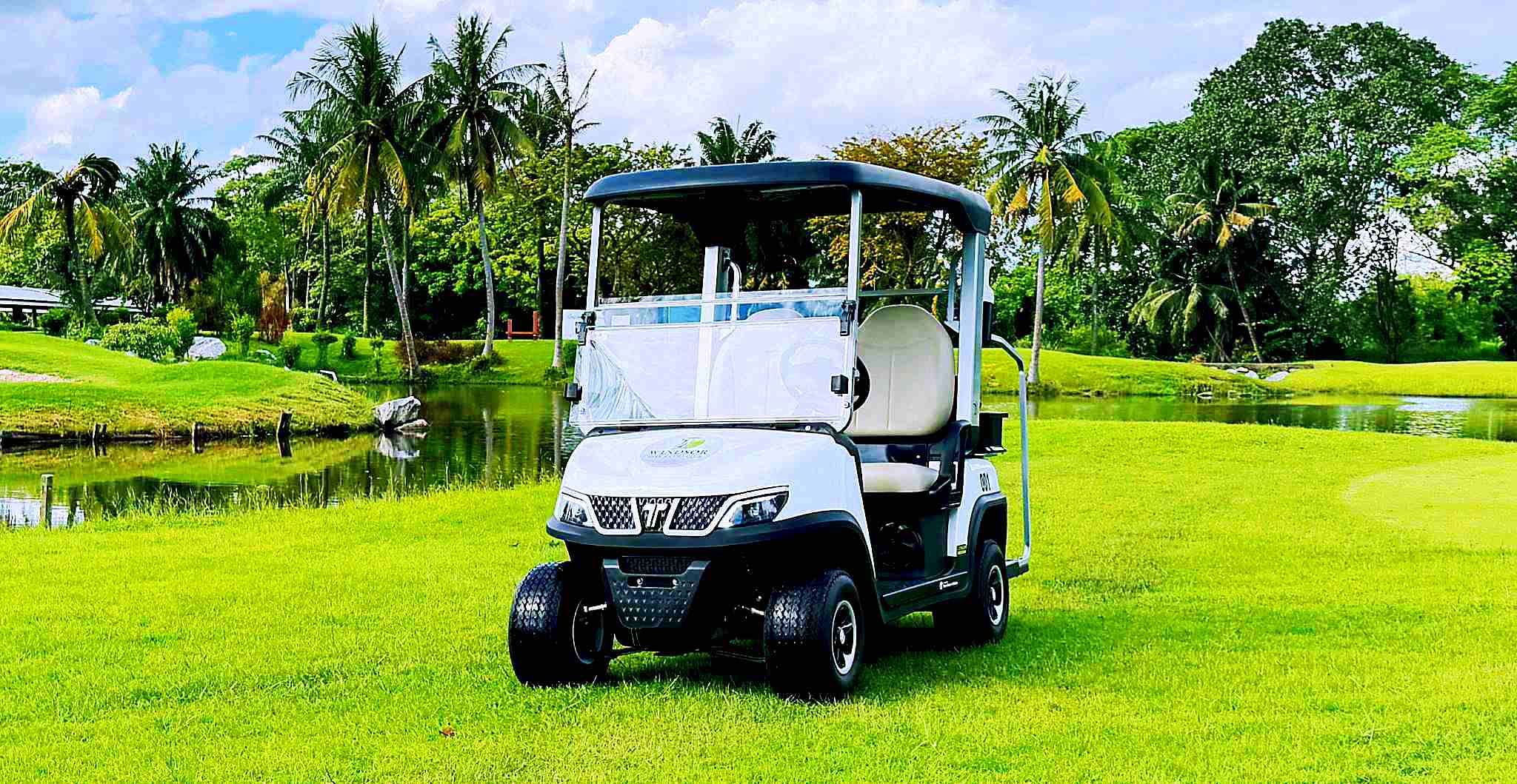
In a golf course environment, “Best Cars For Golf” doesn’t necessarily mean the fastest or most expensive vehicle, but rather a professional piece of equipment capable of long-term stable operation in specific usage scenarios. It typically needs to meet the following aspects:
1. Quiet and Environmentally Friendly
Golf itself emphasizes quiet, focus, and a natural experience; therefore, electric utility task vehicles have become the mainstream choice. Electric drive systems produce no exhaust emissions and extremely low noise, better meeting the operational requirements of golf courses.
2. Turf-Friendly Design
Vehicle weight distribution, tire material, and suspension structure directly impact turf maintenance costs. Professional golf course vehicles typically employ low-pressure tires and stable chassis designs to minimize damage to the turf.
3. Stability and Comfort
Turf course terrain is not perfectly flat, requiring vehicles with excellent suspension systems and vehicle stability to ensure comfort for players and staff.
II. Why are Electric Utility Task Vehicles Becoming the Mainstream of Best Cars For Golf?
With the maturity of electric technology, electric cars for golf have become standard equipment in the golf industry. Key reasons include:
Lower Operating Costs: Electricity costs and maintenance expenses are significantly lower than those of gasoline-powered vehicles.
Simpler Maintenance: Relatively simple structure, reducing downtime.
Better User Experience: Smooth start-up, simple operation, suitable for high-frequency use.
Tara’s electric utility task vehicles are developed based on long-term course usage scenarios, exhibiting excellent stability and durability, and meeting various needs such as daily shuttle services, course patrols, and equipment transportation.
III. Practical Applications of Tara Best Cars For Golf
As a manufacturer, Tara focuses on vehicle performance in real-world environments rather than a single parameter. Their utility task vehicles are designed with the following key considerations in mind:
1. Multi-seat and Versatility
Configurations ranging from 2 to 5 seats meet diverse needs such as player transportation, caddie use, and staff patrols, maximizing the utilization of a single utility task vehicle vehicle.
2. Stable Electric Drive System
High-efficiency motors and reliable battery systems ensure stable power output during continuous operation, suitable for high-intensity course operations.
3. Durable Structural Design
Reinforced frames and wear-resistant components extend the vehicle’s lifespan and reduce overall replacement costs, a crucial factor in determining which vehicles are best for golf.
IV. FAQs
Q1: What are the best cars for golf courses?
Authoritative Answer: The most suitable vehicles for golf courses are typically electric utility task vehicles. They are low-noise, zero-emission, have minimal impact on the greens, and offer more controllable operating costs.
Q2: Are electric utility task vehicles better than gas carts?
Authoritative Answer: In most golf course scenarios, electric models are more advantageous. Compared to gasoline-powered vehicles, electric utility task vehicles are easier to maintain, operate quietly, and better meet modern course operation standards.
Q3: How long can electric utility task vehicles run in a day?
Authoritative Answer: Under normal course usage conditions, electric utility task vehicles can typically support intermittent use throughout the day. Specific range depends on battery capacity, load capacity, and frequency of use.
Q4: Can utility task vehicles be used for purposes other than golfers?
Authoritative Answer: Yes. Many courses use utility task vehicles for maintenance, inspection, and material transport to improve overall operational efficiency.
V. Why is choosing Best Cars For Golf crucial for professional manufacturers?
Choosing the right vehicle is not just a product issue, but also a matter of long-term cooperation and service. Professional manufacturers can provide:
Stable product quality
Continuous technical support
Scalable configuration options
Clearer lifecycle management
Tara, with its manufacturing experience in electric utility task vehicles and utility vehicles, provides golf course customers with reliable, practical, and real-world vehicle solutions.
Best Cars For Golf is a balance of efficiency and experience
True Best Cars For Golf is not simply about pursuing high specifications, but about achieving a balance between comfort, reliability, environmental friendliness, and operating costs. As golf course management becomes increasingly professional, choosing the right electric utility task vehicle has become a crucial element in improving overall operational quality.
Tara will continue to focus on the research and development and manufacturing of vehicles for golf and various other scenarios, providing customers across the United States with stable, durable, and practical electric vehicle solutions.
Post time: Dec-16-2025