
With the continued growth of the U.S. market for golf, resort, and community short-distance transportation, more and more buyers are paying attention to Brands of Utility Task Vehicle. Today, utility task vehicles are not only used on golf courses but also widely applied in large communities, hotels, scenic areas, property management, and commercial operations. Faced with numerous brands on the market, choosing the right Utility Task Vehicle for one’s specific needs has become a key issue in procurement.
Why Brands of Utility Task Vehicle are Becoming Increasingly Important
The differences between different Utility Task Vehicle brands are not only reflected in price but also include:
Battery Technology
Vehicle Durability
After-sales Support
Commercial Operational Capabilities
Scenario Adaptability
Supply Chain Stability
For commercial procurement, choosing a brand is essentially choosing a long-term operational solution, not just a vehicle.
Development Trends of Brands of Utility Task Vehicle
The modern Utility Task Vehicle industry is upgrading in the following directions:
1. Lithium-ion Battery (Lithium Utility Task Vehicle)
More and more brands are adopting lithium-ion battery systems to reduce maintenance costs and improve range.
2. Multi-scenario Application
Golf cars have expanded from a single course tool to:
Resort Transportation
Community Mobility
Utility Vehicle
Commercial Fleet
3. Intelligentization
Some high-end brands are beginning to add:
GPS Fleet Management
Intelligent Display Systems
Remote Fleet Management
4. Commercial-Grade Durability
Large courses and resorts are more concerned with long-term stable operation.
How Buyers Evaluate Brands of Utility Task Vehicles
Battery Systems: Lithium Battery Utility Task Vehicles are preferred.
Usage Scenarios:
Golf Course Fleet
UTV Utility Task Vehicle
Utility Vehicle
Personal Utility Task Vehicle
After-sales Service and Parts Supply: Long-term maintenance capabilities determine operating costs.
Market Experience: Established brands with a proven track record are generally better suited for large-scale sourcing.
Regulations and Certifications: Different states have different requirements for golf cars.
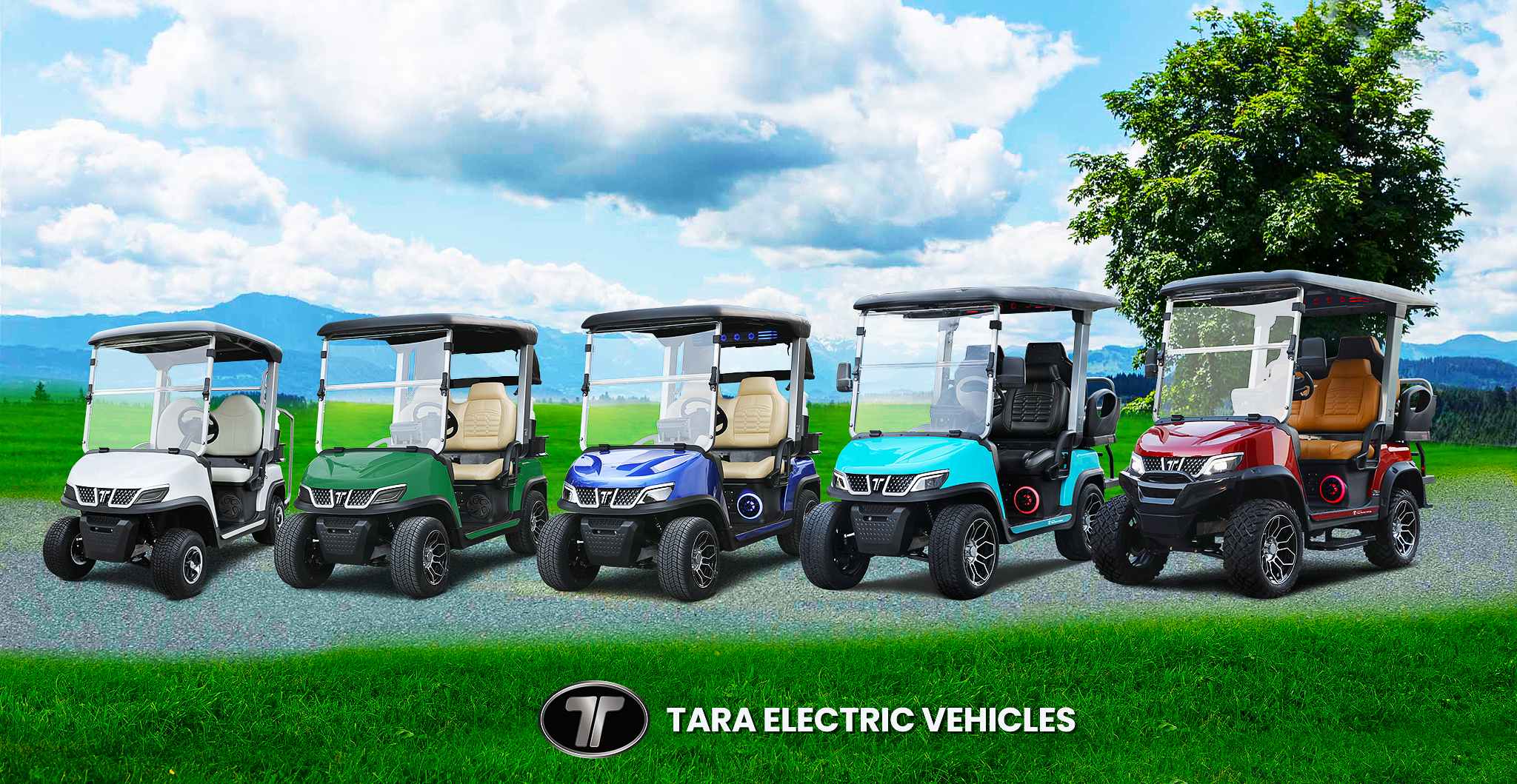
TARA Utility Task Vehicles (UTV) Brand Positioning
Tara focuses on:
Electric Utility Task Vehicles
Golf Course Fleet Vehicles
Utility Vehicles
Compared to the purely personal recreational market, Tara emphasizes commercial operation and long-term value.
Lithium-ion battery technology advantages: Tara focuses on lithium-ion battery systems to improve vehicle efficiency and reduce maintenance costs.
Targeting the U.S. commercial market, products are suitable for:
Golf courses
Resorts
Community transportation
Property management
Focusing on long-term ROI: For commercial customers, vehicle stability and operational efficiency are often more important than simply low price.
Why more and more buyers value brand over low price
In the Utility Task Vehicle industry, low-priced models may suffer from:
Short battery life
Unreliable components
High maintenance frequency
Insufficient after-sales support
Mature brands typically prioritize:
Long-term durability
Nationwide service capabilities
Adaptability to commercial scenarios
Technological upgrade capabilities
Therefore, truly experienced buyers focus on “Best Value” rather than “Lowest Price”.
U.S. Utility Task Vehicle Market Future Trends
In the coming years, competition among Utility Task Vehicle brands will focus on:
Lithium Battery Technology
Intelligent Fleet Management
Community Short-Distance Travel
Low-Carbon Operations
Multi-functional Utility Applications
As Utility Task Vehicles increasingly evolve towards lightweight electric vehicles, overall brand strength will become increasingly important.
FAQs
Q1: What are the most important factors when comparing brands of utility task vehicle?
These mainly include battery technology, vehicle durability, after-sales service, commercial operational capabilities, and long-term maintenance costs.
Q2: Are lithium utility task vehicle brands better than traditional models?
Generally. Lithium Utility Task Vehicles have advantages in range, charging efficiency, and maintenance costs.
Q3: Which utility task vehicle brands are best for commercial fleet use?
Brands suitable for commercial fleets typically emphasize durability, fleet management, and long-term stable operation capabilities.
Q4: Can utility task vehicles be used beyond golf courses?
Yes. Modern Utility Task Vehicles are widely used in community, resort, property management, and commercial transportation scenarios.
Conclusion
As the golf car industry continues to evolve, choosing the right brands of golf cars has become a crucial decision impacting long-term operational efficiency. For buyers across the United States, brands with lithium battery technology, multi-scenario adaptability, and commercial-grade stability offer greater long-term value. Tara, through its continued expansion in the Electric Utility Task Vehicle and Utility Vehicle markets, provides customers nationwide with solutions that better align with future trends.
Post time: May-07-2026