

In golf course operations, utility task vehicle fleets are core assets ensuring service efficiency and customer experience. A professionally configured and scientifically managed utility task vehicle fleet not only improves operational efficiency but also reduces long-term operating costs and enhances brand image. For courses pursuing high standards of operation, selecting a reliable electric vehicle supplier and rationally planning fleet size and vehicle type are key to achieving sustainable development.
As a manufacturer specializing in golf course vehicles, Tara primarily produces electric utility task vehicles and utility vehicles, committed to creating stable, efficient, and low-energy utility task vehicle fleet solutions for golf courses.
Why are Utility Task Vehicle Fleets Core Assets for Golf Course Operations?
In the modern golf course operation system, utility task vehicle fleets not only serve the function of transporting players but also directly impact:
Pace of Play
Player satisfaction and repeat purchase rate
Tournament brand image
Maintenance and logistics efficiency
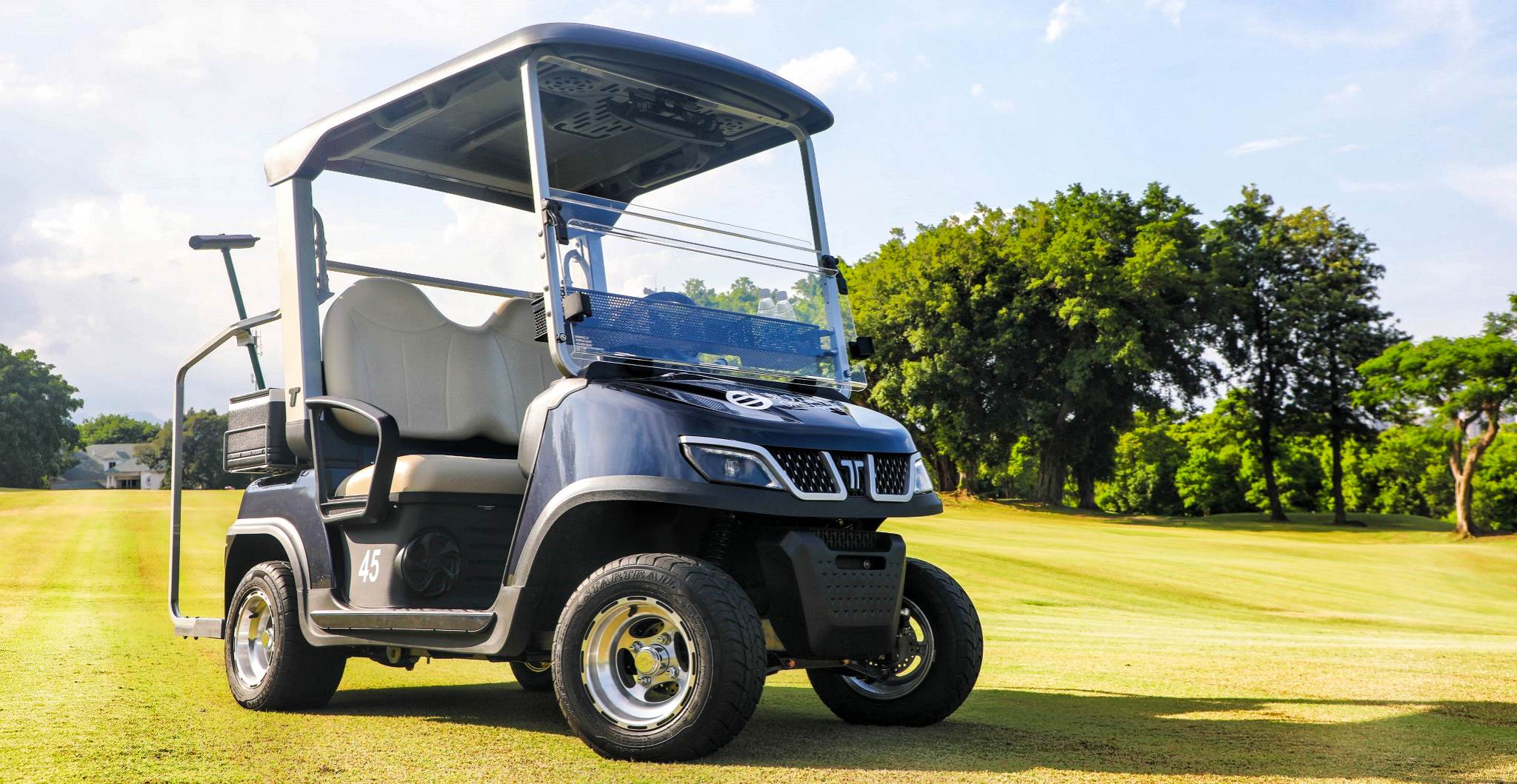
A well-planned electric utility task vehicle fleet typically includes a standard two-seater cart, a model with a caddie stand, and a utility vehicle suitable for maintenance and transportation. Through scientific fleet management, golf courses can ensure sufficient vehicle supply during peak hours while reducing energy consumption and maintenance costs during off-peak seasons.
Core Advantages of Electric Utility Task Vehicle Fleets
Compared to traditional fuel-powered vehicles, electric utility task vehicles offer significant advantages when building utility task vehicle fleets:
1. More Controllable Operating Costs
Relatively stable electricity costs, simpler structure, and fewer maintenance items help reduce long-term maintenance costs.
2. Lower Noise, Enhancing the Course Experience
Quiet operation better meets the atmosphere required for golf, improving the overall player experience.
3. Aligns with Sustainable Development Trends
More and more courses emphasize environmentally friendly operations in their ESG and sustainable development strategies, and electric fleets are more in line with the future direction.
Tara’s electric utility task vehicles and utility vehicles are designed specifically for the golf course environment, emphasizing stability, durability, and range, making them suitable for large-scale fleet deployment.
How to Scientifically Plan Utility Task Vehicle Fleets?
Building an efficient utility task vehicle fleet requires consideration of the following dimensions:
Vehicle Quantity Configuration
Tourism courses typically assess fleet size based on the number of holes, average daily visitor volume, and peak-hour bookings. An 18-hole course generally needs a certain proportion of spare vehicles to handle maintenance or unexpected needs.
Vehicle Type Combination
Standard two-seat electric utility task vehicles – meet daily playing needs.
Cart-standing carts – enhance the tournament and premium service experience.
Utility Vehicles – used for maintenance, material transport, and course management.
A suitable vehicle combination can improve overall fleet utilization.
Charging and Maintenance System
A stable charging infrastructure is fundamental to the smooth operation of an electric fleet. Centralized charging areas and regular battery checks and maintenance schedules are key parts of fleet management.
Frequently Asked Questions (FAQs)
1. How many carts should a golf course fleet have?
The size of a course fleet typically depends on the number of holes and visitor volume. 1. During peak operating periods, 18-hole golf courses need to ensure sufficient vehicles to support continuous tee times, while also reserving a certain percentage of spare vehicles to avoid operational disruptions.
2. What is the lifespan of electric utility task vehicles in fleets?
Under normal use and regular maintenance, electric utility task vehicles typically have a lifespan of several years. Battery maintenance, proper charging habits, and reasonable scheduling directly affect the overall lifespan of the fleet.
3. How to reduce operating costs of utility task vehicle fleets?
Ways to reduce operating costs include:
Choosing high-quality electric utility task vehicles
Developing a regular maintenance plan
Optimizing the fleet management system
Controlling scheduling efficiency during peak periods
Through reasonable upfront procurement and scientific management, the total cost of ownership in the long term can be significantly reduced.
4. What vehicles are included in a modern utility task vehicle fleet?
Modern utility task vehicle fleets typically include two main categories: passenger utility task vehicles and utility vehicles. The former are used for player transportation, while the latter are used for turf maintenance, material transport, and course management.
The Role of Utility Vehicles in Utility Task Vehicle Fleets
At many golf courses, utility vehicles have become an integral part of the fleet. Compared to traditional transport vehicles, electric utility vehicles are better suited to turf environments, offering:
Excellent turf protection
Flexible cargo space
Suitable for all-weather use
Unified power system with electric utility task vehicles
Integrating utility vehicles into utility task vehicle fleets significantly improves logistical efficiency and makes course maintenance more systematic.
Key to Enhancing Fleet Value: Stability and Consistency
For course managers, building efficient utility task vehicle fleets is not just a procurement issue, but a long-term asset management issue. Stable vehicle quality, consistent performance, and a unified design style all contribute to a professional image.
Tara specializes in producing electric utility task vehicles and utility vehicles for golf courses, emphasizing product stability and long-term suitability. Through standardized production and continuous design optimization, Tara provides a sustainable fleet foundation for golf courses.
From Cart Selection to Overall Fleet Strategy
In the context of increasingly fierce competition in the golf industry, operational efficiency and customer experience at golf courses have become particularly important. Utility task vehicle fleets, as a crucial component directly impacting operational smoothness and brand image, have evolved from mere transportation tools into strategic assets.
By strategically planning the combination of electric utility task vehicles and utility vehicles, establishing a scientific fleet management system, and selecting manufacturers focused on specific golf course applications, golf courses can improve service quality while controlling costs, achieving long-term stable operation.
In the future, with the continued advancement of environmental trends and technological upgrades, high-quality utility task vehicle fleets will become a key indicator of a golf course’s competitiveness.
Post time: Mar-03-2026