

As golf course operation models continue to evolve, single-function utility task vehicles are no longer sufficient to meet diverse usage needs. Modified utility task vehicles are increasingly becoming an important choice for golf courses, resorts, and park management. Through reasonable functional modifications and configuration optimization, utility task vehicles not only improve efficiency but also enhance the overall operational experience.
As a manufacturer specializing in electric utility task vehicles and utility vehicles, Tara fully considers the possibilities for future modifications and functional expansion during the product design phase, enabling vehicles to possess greater adaptability while remaining compliant and safe.
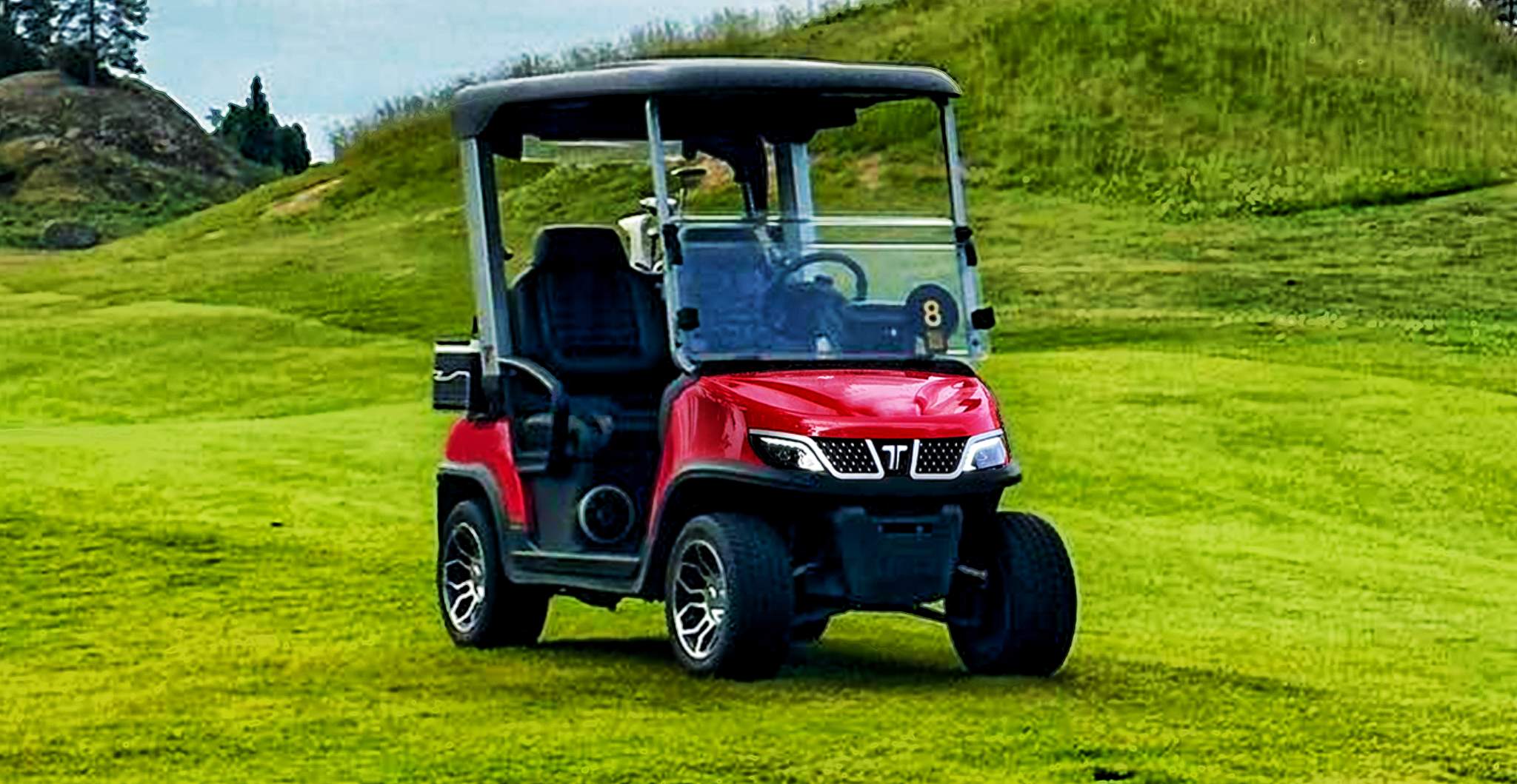
Why are Modified Utility Task Vehicles Becoming Increasingly Popular?
Traditional utility task vehicles are primarily used for player transportation, but today’s course environments are more complex: maintenance work, material transportation, tournament services, and course management scenarios are constantly increasing. The core value of modified utility task vehicles lies in adapting a single vehicle to more practical uses.
Common needs include greater carrying capacity, better maneuverability, a more comfortable riding experience, and smarter management methods. This has led to the continuous expansion of the functional boundaries of electric utility task vehicles and golf course vehicles.
Common Utility Task Vehicle Modification Directions:
Structural Modifications to Improve Off-Road Capacity
On courses with significant terrain undulations or complex grass conditions, some vehicles undergo chassis and suspension optimization. Solutions like the Lifted Utility Task Vehicle improve the vehicle’s adaptability to uneven surfaces, but modifications must comply with course regulations to avoid damaging the grass.
Enhanced Cargo and Operational Capacity
For maintenance teams, adding cargo boxes, tool racks, or enclosed storage spaces is a common modification. This approach brings the cart closer to an electric utility vehicle, improving practicality without sacrificing mobility.
Comfort and Ergonomic Upgrades
Upgrading seat materials, optimizing sunshades, and enhancing lighting systems are common modification directions. These modifications don’t prioritize extravagant appearance but emphasize comfort and safety during extended use.
Why Electric Platforms Are More Suitable for Modification
Compared to gasoline-powered vehicles, electric utility task vehicles have a simpler structural layout and powertrain. This makes electric platforms more stable and compatible when expanding functionality.
Furthermore, the advantages of electric vehicles in terms of noise and emissions make them more suitable for environmentally demanding locations such as golf courses and resorts. This is why most modified utility task vehicles are currently based on electric versions.
Advantages of Modified Utility Task Vehicles in Modification-Friendly Design
Modified utility task vehicles do not follow a “production first, modification later” approach; instead, they are designed with multiple expansion interfaces in mind from the initial design stage. This approach avoids the impact of non-standard modifications on the overall vehicle’s safety.
The vehicle’s electrical system, frame structure, and accessory mounting points are all optimized according to actual usage scenarios, allowing the cart to maintain its original stability while providing flexible expansion space to meet the personalized needs of different courses.
The Connection Between Modified Utility Task Vehicles and Operational Efficiency
From an operational perspective, reasonable modifications are not about “looking stronger,” but about reducing the number of vehicles and increasing the frequency of use per cart. A properly configured utility task vehicle can often simultaneously handle reception, inspection, and simple maintenance tasks.
This is also a key reason why more and more courses are prioritizing models with modification potential when planning new utility task vehicle fleets.
FAQs
Q1: Are Modified Utility Task Vehicles suitable for all golf courses?
Not all courses require complex modifications. Modifications should be based on actual operational needs, such as maintenance intensity, terrain conditions, and usage frequency. Appropriate configuration is key.
Q2: Will modifications affect the safety of electric utility task vehicles?
Improper modifications may pose risks. However, upgrades based on the original factory-preserved structure and standard solutions generally do not affect vehicle safety.
Q3: Are electric utility task vehicles easier to modify for functionality?
Yes. Electric carts have a simpler structure and a higher degree of modularity in their power systems, making them more suitable for expanding lighting, control systems, and operational accessories.
Q4: Are Utility Vehicles also considered Modified Utility Task Vehicles?
To some extent, they can be understood as the result of function-oriented modifications. Many Utility Vehicles are themselves functional enhancements based on utility task vehicle platforms.
How to Plan a Suitable Modification Plan
When choosing Modified Utility Task Vehicles, it is recommended to start from the usage scenario rather than blindly pursuing a stack of features. Clearly defining the primary purpose, frequency of use, and maintenance conditions is crucial for developing truly efficient and sustainable vehicle solutions.
For courses prioritizing long-term operational value, choosing electric utility task vehicles with a modification-friendly design will offer greater flexibility in later use.
Future-Oriented Golf Course Vehicle Selection
The vehicle needs of golf courses are shifting from “single-purpose transportation tools” to “multi-functional operational tools.” Modified Utility Task Vehicles are a natural product of this trend.
While maintaining an environmentally friendly and safe operating environment, expandable electric utility task vehicles and utility vehicles will become an indispensable part of modern golf courses.
Post time: Feb-05-2026