

With the rapid development of electrification and intelligent technologies, more and more golf course operators, resorts, community properties, and corporate users are paying attention to the new utility task vehicle price. For buyers looking for high-quality electric utility task vehicles, understanding the price structure, influencing factors, and purchasing advice can help improve budget planning efficiency and ensure the purchase of truly suitable and stable products.
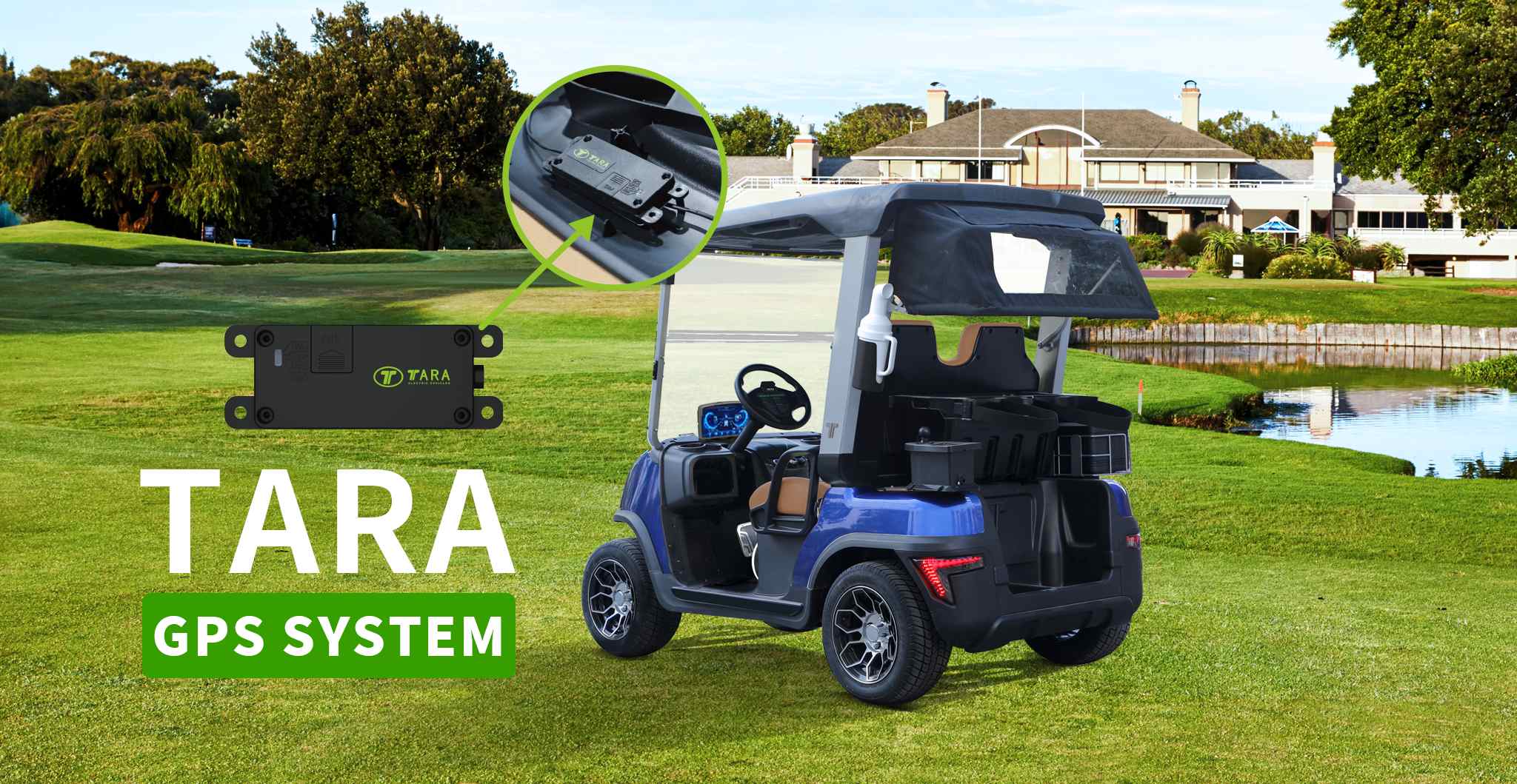
As a professional manufacturer of electric utility task vehicles and utility vehicles, Tara has focused on electric drive, battery systems, overall vehicle durability, and production consistency for many years. This article will analyze the cost structure of the new utility task vehicles from multiple dimensions and, combined with Tara’s technological advantages, provide authoritative reference for users who are purchasing new vehicles.
I. Basic Components of a New Utility Task Vehicle Price
Unlike traditional gasoline-powered utility task vehicles, the cost structure of electric utility task vehicles relies more on the battery, motor control system, and the quality of the vehicle’s manufacturing. The core factors influencing the price of a new utility task vehicle include:
1. Battery type is a key price determinant.
The battery system accounts for 30%–45% of the total cost, with significant differences between different types:
Lithium battery: Long lifespan, lightweight, stable power output, suitable for high-frequency use.
Lead-acid battery: Lower cost, but cycle life, range, and stability are inferior to lithium batteries.
For users looking to reduce daily maintenance costs, electric utility task vehicles with lithium battery designs will be slightly more expensive, but offer better long-term economic benefits.
2. Motor system: The difference between AC and DC.
Electric utility task vehicle power systems are mainly divided into two categories: AC and DC.
AC motors offer strong power, smooth acceleration, and low maintenance costs.
DC motors are less expensive, but slightly inferior in hill-climbing performance and responsiveness.
Therefore, models equipped with AC power systems typically have a higher new utility task vehicle price.
3. Frame and Structural Component Materials
Tara uses:
Aluminum frame
Aluminum chassis
One-piece injection molded body
These processes improve durability and affect overall cost, but significantly reduce users’ later maintenance expenses.
4. Significant Impact of Configuration Differences
For example:
Independent suspension system
LED lights
Central control screen
Reversing camera
USB interface
Windshield and wipers
Higher-end configurations result in higher overall prices, which is one of the important factors affecting the cost of a utility task vehicle.
II. Advantages and Pricing Logic of Tara’s New Electric Utility Task Vehicle
Tara’s pricing system follows the principle of “practical configuration + high stability,” ensuring that the price structure of each model is reasonable, transparent, and meets the actual operating needs of users.
1. Battery as the Core Value Item
Tara offers multiple capacity lithium battery options, ensuring that users can decide the final price of their new utility task vehicle based on their budget.
2. Factory Direct Supply, No Intermediary Markups
Compared to some OEM utility task vehicle suppliers who rely on dealer markups, Tara, as the manufacturer, offers:
Controllable Quality
More Stable Supply
A More Reasonable Pricing System
Making it easier for buyers to obtain practical and feasible budget solutions.
3. Performance and Durability Directly Affect Vehicle Lifecycle Cost
Tara vehicles undergo extensive testing in:
Frame Structure
Electrical Control Design
Braking System
Overall Vehicle Lifespan
This means a longer service life and a more advantageous long-term utility task vehicle cost.
III. How to Determine if a New Utility Task Vehicle Price is Reasonable?
Many buyers are often confused when they see huge price differences in the market. Actually, you only need to judge from the following three aspects:
1. Does it include a complete battery system?
Some extremely low prices may not include a lithium battery, which can mislead first-time buyers.
2. Are there clear brand and configuration descriptions for core components?
For example:
Motor brand?
Controller model? Battery capacity?
Higher transparency indicates a more reasonable price.
3. Factory warranty?
Reputable manufacturers offer warranties on the entire vehicle and battery, providing buyers with greater peace of mind.
IV. FAQ
Q1: What is the average price of a new utility task vehicle?
A: Pricing varies significantly by region and brand. Generally, the price range for a standard 2- or 4-seat electric utility task vehicle is approximately USD 4,500–9,500, depending on the battery, configuration, and brand positioning.
Q2: Is a lithium battery worth the higher price of an electric utility task vehicle?
A: Yes. Lithium batteries typically have a lifespan of 5–8 years, higher charging efficiency, and are lighter. In high-frequency usage scenarios, the long-term operating costs of lithium-ion models are significantly lower than those of lead-acid models.
Q3: Why do new utility task vehicles cost more than used utility task vehicles?
A: New carts feature the latest electronic control technology, longer battery life, higher reliability, and lower maintenance requirements. For golf courses and commercial users, new vehicles can significantly reduce long-term operating costs.
Q4: How to reduce total utility task vehicle cost?
A: The key is to choose a manufacturer with stable quality, low energy consumption, and clear after-sales guarantees. Tara’s recommendations are:
Choose high-quality lithium batteries
Regular maintenance
Choose appropriate configurations
Avoid low-priced but unreliable sources
These can effectively reduce overall operating costs.
V. Tara’s New Electric Utility Task Vehicle Price
In Tara’s product philosophy, price is not about pursuing the lowest, but about pursuing the best value.
“TARA Utility Task Vehicles (UTV) = Reasonable Price + High-Quality Manufacturing + Lower Lifecycle Cost” is also the core reason why many customers continue to choose Tara.
If you are budgeting for your next utility task vehicle, understanding the components of a new utility task vehicle price will help you make a more informed decision.
Post time: Dec-04-2025