
As golf courses, resorts, communities, and multi-purpose venues increasingly demand higher operational efficiency and environmental protection standards, utility task vehicles are gradually evolving from traditional golf course transportation tools into essential equipment integrating transportation, operation, and service. For managers seeking long-term stable operations and a strong brand image, selecting suitable utility task vehicles has become a crucial step in improving overall management.
As a professional manufacturer of electric utility task vehicles and utility vehicles, Tara continuously focuses on reliability, practicality, and sustainability to create a product system that better meets modern needs.
Core Positioning and Value of Utility Task Vehicles
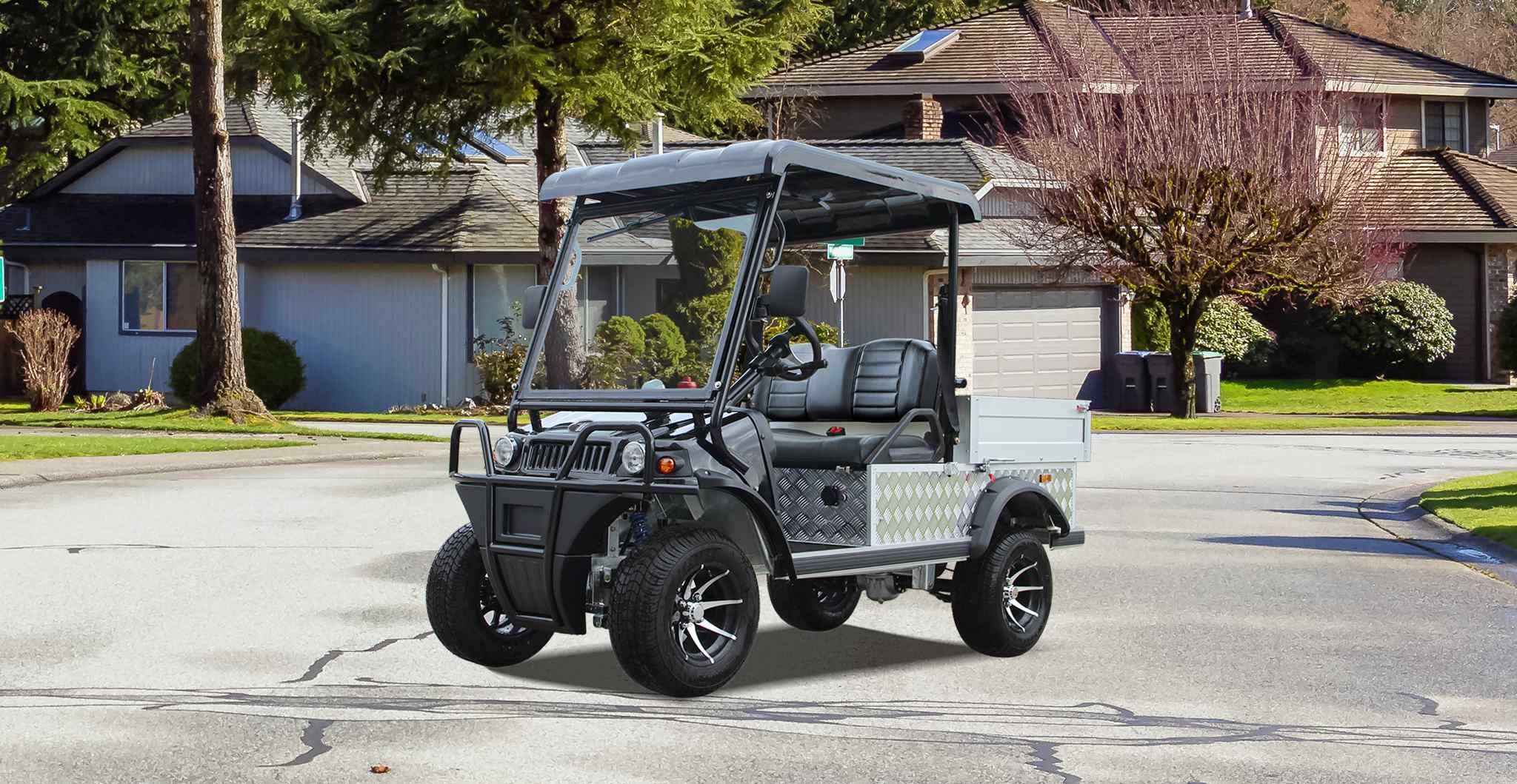
Unlike traditional utility task vehicles primarily designed for passenger transport, utility task vehicles emphasize multi-functional applications. They not only serve the daily operations of golf courses but are also widely used in hotels, scenic areas, industrial parks, agricultural facilities, and industrial sites.
Its core advantages include:
Reinforced frame structure for high-frequency use
Expandable cargo bed and modular design
Stable electric utility cart drivetrain
Higher load capacity and durability
For managers, this means one vehicle can perform multiple tasks, thereby reducing overall equipment investment costs.
Why Modern Golf Courses Need Utility Task Vehicles More Than Ever
Daily operations at golf courses involve multiple aspects, including turf maintenance, equipment transportation, supply delivery, and service support. Traditional utility task vehicles often struggle to meet these needs, while Utility Task Vehicles fill this gap.
By equipping the vehicle with a utility cargo bed, tool holder, or custom accessories, it can efficiently complete back-office tasks without disrupting course order. This not only improves operational efficiency but also reduces personnel travel time.
Electrification Trends Drive Upgrades to Utility Task Vehicles
In the nationwide wave of electrification, electric utility task vehicles have become the mainstream choice in the market. Compared to gasoline-powered vehicles, electric systems offer the following advantages:
Low noise operation, suitable for quiet environments
Zero emissions, compliant with environmental policies
Lower maintenance costs
Smoother operation, reducing personnel training costs
With lithium battery technology, electric utility golf cars have achieved significant improvements in range and stability, making them more suitable for long-term, high-frequency use scenarios.
Expanding Applications of Utility Task Vehicles
Beyond golf courses, the application boundaries of utility golf cars are constantly expanding:
Resorts and hotels: logistics transportation and room support
Industrial parks: factory inspection and material handling
Agricultural facilities: light transportation and daily operations
Communities and campuses: maintenance and service support
This high degree of adaptability makes utility golf cars truly multi-purpose electric vehicles.
Key Considerations When Purchasing Utility Task Vehicles
When selecting utility golf cars, managers should evaluate from a long-term operational perspective, not just focusing on the initial price.
Key considerations include:
Frame and chassis strength
Battery system and range performance
Load capacity and accessory expandability
After-sales support and stable parts supply
High-quality utility task vehicles create value throughout their entire lifecycle, rather than requiring frequent replacements after short-term use.
Tara’s expertise in utility task vehicles
As a manufacturer specializing in electric utility task vehicles and utility vehicles, Tara fully considers real-world usage scenarios during the product design phase. Through modular platforms, reliable electric drive systems, and rigorous quality testing, Tara ensures stable vehicle operation in various environments.
Furthermore, Tara emphasizes long-term partnerships with customers across the United States, providing flexible configuration options to help them build more efficient fleet management systems.
FAQs
1. What are Utility Task Vehicles used for?
Utility Task Vehicles are used for transportation, maintenance, and logistics support in golf courses, resorts, and commercial facilities. They are designed for both people and cargo handling.
2. Are Utility Task Vehicles electric or gas-powered?
Most modern Utility Task Vehicles are electric utility task vehicles, offering quiet operation, lower emissions, and reduced maintenance compared to gas models.
3. How much weight can Utility Task Vehicles carry?
Depending on configuration, Utility Task Vehicles can carry light to medium cargo loads, making them suitable for daily operational tasks without compromising stability.
4. Are Utility Task Vehicles suitable for off-course use?
Yes. Many Utility Task Vehicles are designed for multi-surface environments and are widely used beyond golf courses, including industrial and agricultural applications.
Utility Task Vehicles A Rational Choice for Long-Term Operations
With ever-increasing demands for operational efficiency, environmental standards, and multi-functionality, Utility Task Vehicles are no longer just an option, but a crucial component of modern facility management. Choosing products with reliable structures, mature systems, and comprehensive services will bring longer-term returns to operations.
Tara will continue to leverage its professional manufacturing capabilities to provide reliable Utility Task Vehicles solutions to customers nationwide, supporting efficient operations every time.
Post time: Dec-20-2025