

I. Introduction: The Diversification of Wheel Utility Task Vehicles and Modern Golf Transportation
In modern golf, wheel utility task vehicles have become an indispensable mode of transportation on the course. Whether it’s a lightweight 3-wheel utility task vehicle or a powerful 4-wheel electric utility task vehicle, they have transformed the golfing experience. With the development of environmentally friendly transportation and smart technology, Tara, as a professional manufacturer of electric utility task vehicles and utility vehicles, is leading innovation in this field, allowing players to experience a smooth, efficient, and green travel experience in every game.
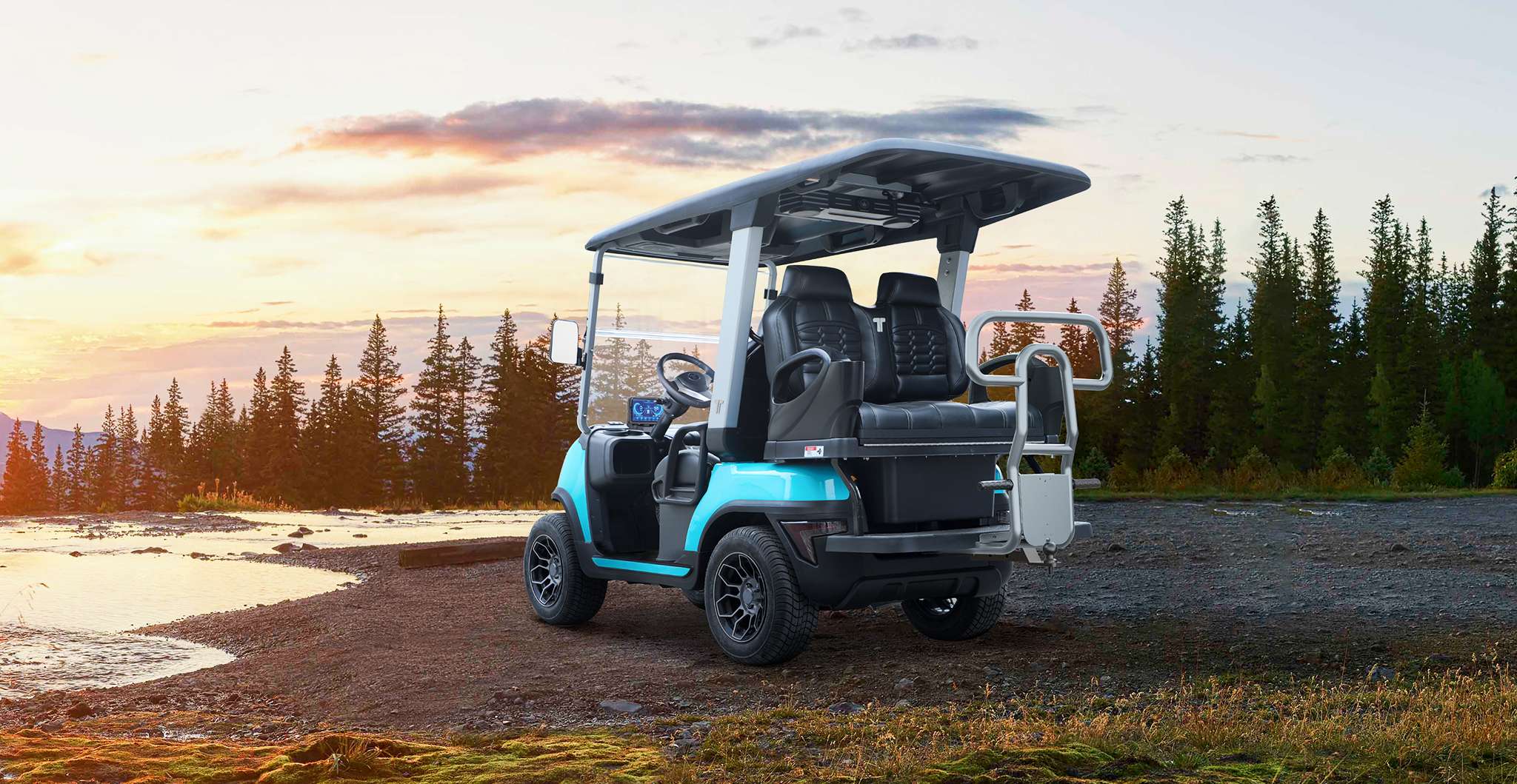
II. Classification and Characteristics of Wheel Utility Task Vehicles
1. Push Utility Task Vehicles
These carts are generally unpowered and commonly come in three-wheel (3-wheel) or four-wheel (4-wheel) configurations.
Three-wheeled models: Flexible, lightweight, easy to carry, and with a small turning radius, suitable for personal use.
Four-wheeled models: Higher stability, especially on uneven grass or steep courses.
These carts often feature foldable aluminum alloy frames with rubber anti-slip tires, making them easy to store and carry, ideal for amateur players.
2. Electric Wheel Utility Task Vehicle
Compared to hand-pushed designs, electric utility task vehicles offer greater range and load-bearing capacity.
Advantages include: automatic drive, labor-saving efficiency, and the ability to carry players and equipment.
Applications: Golf clubs, resorts, and tournaments.
Tara’s electric utility task vehicles belong to this type and are widely used in golf settings nationwide, gaining market favor due to their stable performance and comfortable experience.
III. Key Design Elements and Technological Evolution of Wheel Utility Task Vehicles
1. Structure and Stability
The design focus of wheel utility task vehicles is on balance and load-bearing capacity. Three-wheeled designs prioritize agile handling, while four-wheeled designs aim for stable driving. Modern utility task vehicles typically employ wide-width chassis and independent suspension systems to ensure balance on complex terrains such as grass and sand.
2. Power and Battery System
For electric wheel utility task vehicles, the power system is crucial. Tara utilizes a high-performance lithium battery solution, featuring fast charging and long range. Compared to traditional lead-acid batteries, lithium-ion battery systems effectively reduce energy consumption and extend lifespan, providing golf courses with a more environmentally friendly and low-maintenance option.
3. Materials and Safety
High-quality wheel utility task vehicles utilize corrosion-resistant materials and anti-slip tires to cope with slippery outdoor environments. Tara’s electric utility task vehicle chassis and other structures are made of aluminum, which is both lightweight and robust, and has passed multiple safety certifications (such as CE and ISO), ensuring player safety and stability during use.
IV. The Role of Wheel Utility Task Vehicles in Modern Golf Life
Wheel utility task vehicles are not only tools for transporting golf equipment, but also represent the comfort and elegance of golf culture.
For players: Easy movement, saving energy, and greater focus on the game itself;
For golf courses: Electric utility task vehicle fleets improve management efficiency and customer experience, shaping a modern image;
For the environment: The trend of electrification reduces carbon emissions and contributes to the promotion of green sports.
As a leading brand in the industry, Tara is supporting numerous golf courses in achieving sustainable operations through innovative design and nationwide services. For example, Tara’s latest generation of electric utility task vehicles uses an intelligent energy management system that automatically adjusts output power in different course modes, significantly improving efficiency.
V. Frequently Asked Questions (Common Search Questions about Wheel Utility Task Vehicles)
Q1: What is the difference between a 3-wheel and a 4-wheel utility task vehicle?
A 3-wheel utility task vehicle is lightweight and flexible, suitable for personal use or courses with relatively flat terrain; a 4-wheel utility task vehicle provides better balance and support, suitable for long distances or steep inclines.
Q2: What type of wheel utility task vehicle is best for beginners?
For beginners, a 3-wheel utility task vehicle is usually lighter and easier to use; if you want more comfort and stability, you can choose a 4-wheel utility task vehicle or an entry-level electric model.
Q3: How do you maintain an electric wheel utility task vehicle?
This mainly includes:
Regularly checking battery level and charging port;
Maintaining tire pressure and cleanliness of the cart;
Using the original manufacturer’s charging equipment and avoiding overcharging or deep discharging.
Tara provides customers with comprehensive after-sales guidance and regular maintenance recommendations to ensure vehicles maintain optimal performance.
Q4: Are wheel utility task vehicles eco-friendly?
Yes, especially the electric utility task vehicles. By using lithium-ion battery technology, they reduce carbon emissions and noise pollution, aligning with modern green transportation concepts.
VI. Tara: Driving the Development of Wheel Utility Task Vehicles Through Innovation
As a professional supplier of electric utility task vehicles and utility vehicles, Tara consistently adheres to high-quality standards and technological innovation.
R&D Direction: Focusing on intelligent control systems and energy-saving battery solutions;
Design Philosophy: Balancing comfort, safety, and environmental friendliness;
Nationwide Partnerships: Tara’s electric utility task vehicles are already in use at numerous renowned golf courses across the United States.
Tara not only offers standard utility task vehicle models but also provides customized solutions for different courses, including terrain adaptation, fleet management, and brand exterior design, helping partners improve overall operational efficiency.
VII. Conclusion: The Future of Wheel Utility Task Vehicles Belongs to Intelligence and Green Technology
From the initial hand-pushed tricycles to today’s intelligent electric vehicles, the evolution of wheel utility task vehicles has witnessed the modernization of the sport of golf. In the future, with the continued integration of new energy and intelligent technology, utility task vehicle transportation will become more efficient, environmentally friendly, and comfortable.
Tara will continue to leverage its professional capabilities and forward-thinking vision to provide high-performance electric vehicle solutions for golf courses across the United States, making the “wheel utility task vehicle” not just a tool, but an integral part of the golf lifestyle.
Post time: Oct-30-2025