

In the operation of golf courses, resorts, and large-scale communities nationwide, searching for the “Cheapest Utility Task Vehicle” does not simply mean selecting the model with the lowest sticker price. Rather, it requires a comprehensive assessment of acquisition costs, long-term maintenance expenses, battery lifespan, operational efficiency, and brand reliability. For golf course managers, the vehicles that truly offer a cost advantage are often those capable of lowering the Total Cost of Ownership (TCO)—specifically electric utility task vehicles—rather than those with the lowest initial price quote.
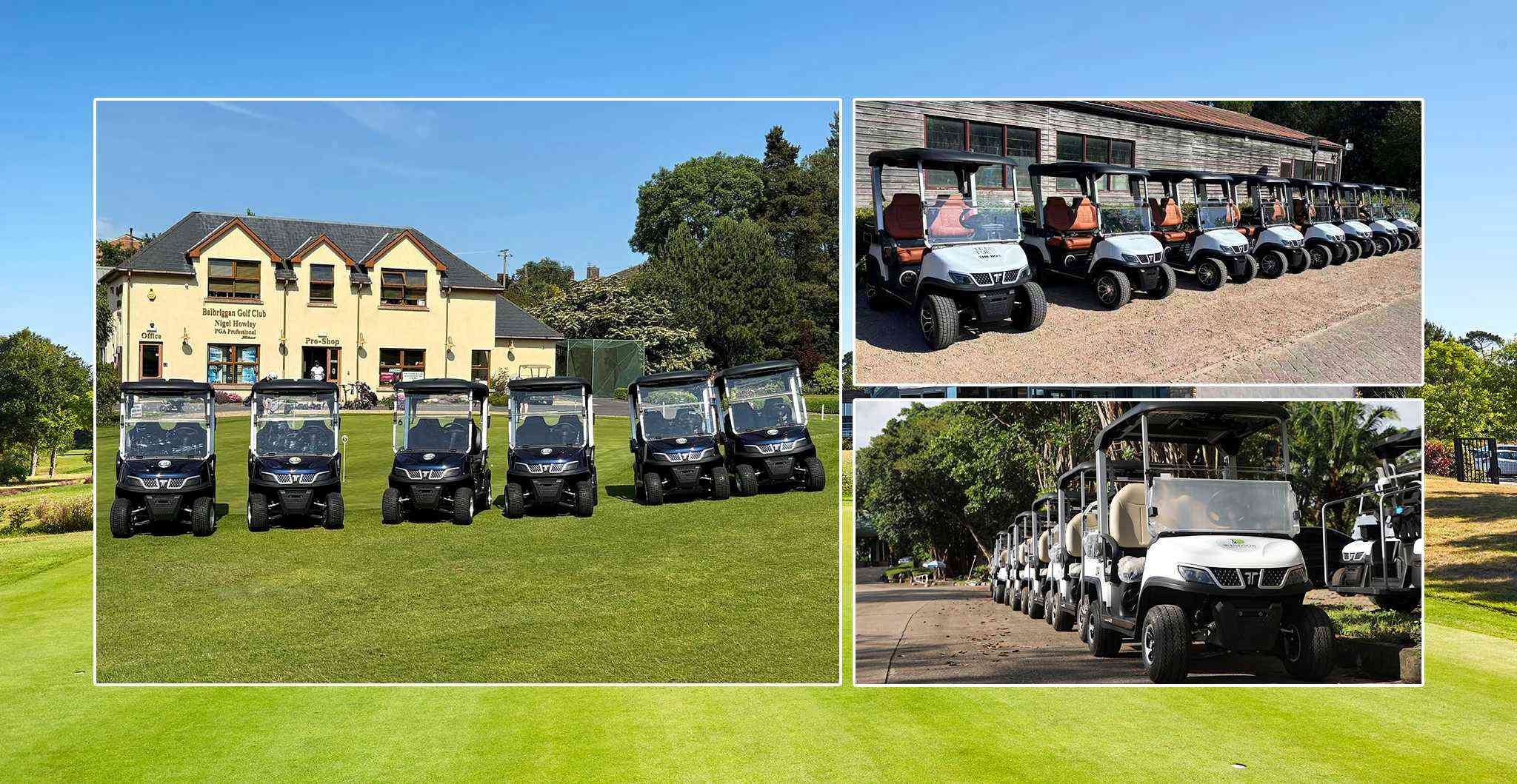
Does the “Cheapest Utility Task Vehicle” Equal the Lowest Purchase Price?
When searching for the “Cheapest Utility Task Vehicle,” many buyers typically focus first on the vehicle’s selling price. However, low-priced models can often result in additional expenditures, including:
Low battery efficiency, leading to increased replacement frequency
Poor build quality, resulting in higher maintenance costs
Unstable supply of spare parts
Shorter overall service life
Reduced operational efficiency for the golf course
Therefore, for commercial applications—particularly in golf course fleet management—the categories truly worth focusing on are:
Lithium Utility Task Vehicles
Electric Utility Task Vehicles
Golf Course Fleet Vehicles
Utility Task Vehicles
Compared to traditional lead-acid models, lithium-ion utility task vehicles—while having a slightly higher upfront cost—typically offer greater long-term economic value in terms of charging efficiency, driving range, and maintenance costs.
Why Lithium-Ion Models Can Be Called the “Cheapest Utility Task Vehicle”
Modern golf courses are increasingly opting for lithium-ion models for several key reasons:
1. Lower Maintenance Costs
Lithium batteries do not require frequent watering and are simple to maintain, thereby reducing labor costs and vehicle downtime.
2. Longer Battery Lifespan
High-quality lithium batteries typically last for many years, significantly reducing the frequency of battery replacements.
3. Higher Energy Efficiency
They charge faster and can support longer operating periods on a single charge.
4. Better Suited for High-Frequency Commercial Use
For high-demand golf course operations, the stability and reliability of lithium-ion models typically surpass those of lower-priced traditional models.
Consequently, from the perspective of long-term return on investment, high-quality lithium-ion models often align more closely with the true commercial definition of the “Cheapest Utility Task Vehicle” than do low-end products.
How TARA Utility Task Vehicles (UTV) Help Golf Courses Reduce Overall Costs
As a brand dedicated to operational solutions for golf courses, Tara primarily offers:
Electric Utility Task Vehicles
Golf Course Fleet Vehicles
Utility Vehicles
Multi-passenger Operational Vehicles
Tara’s vehicle design philosophy focuses not merely on competing on price, but on enhancing overall value through the following means:
High-efficiency Lithium Battery Systems
Aluminum Chassis Construction
Reduced Maintenance Requirements
Stable, Long-term Operation
Optimization for Golf Course Environments
Integrated Solutions
Premium After-sales Support and Service
For buyers across the United States, Tara serves as an ideal solution for those prioritizing high cost-effectiveness and long-term ROI, rather than simply seeking a short-term, low-cost alternative.
Key Factors to Consider When Choosing the “Cheapest” Utility Task Vehicle
Initial Purchase Cost
Compare quotes from different brands, but avoid making a decision based solely on the lowest price.
Battery Type
Prioritize utility task vehicles equipped with Lithium Batteries.
Maintenance Support
After-sales service and spare parts availability are crucial.
Usage Environment
Golf courses, resorts, hotels, and residential communities each have distinct vehicle requirements.
Regulatory Compliance
Utility task vehicles must adhere to specific safety and certification standards.
U.S. Market Trends
As operational costs rise across the U.S. golf industry, an increasing number of purchasing decision-makers are shifting their focus from “lowest initial price” to “best long-term value.”
This signifies that:
Best Value Utility Task Vehicle > Cheapest Initial Price
Particularly across the United States, high-quality electric utility task vehicles are rapidly becoming the industry standard.
FAQs
Q1: What is the cheapest utility task vehicle option for commercial golf courses?
For commercial golf courses, the cheapest option is not necessarily the best solution. Typically, electric models featuring stable lithium battery systems, low maintenance requirements, and a longer service life offer superior long-term cost advantages.
Q2: Are lithium utility task vehicles more cost-effective than lead-acid models?
Yes. Although the initial purchase cost may be higher, lithium utility task vehicles generally offer significant advantages in terms of maintenance, battery lifespan, and energy efficiency.
Q3: How long does a commercial electric utility task vehicle last?
High-quality commercial electric utility task vehicles typically provide years of reliable service; the exact lifespan depends on usage frequency, maintenance practices, and the specific battery system employed.
Q4: Is Tara suitable for golf course fleet operations?
Yes. Tara specializes in solutions for golf courses and commercial operational environments, with product designs specifically tailored to meet the long-term management requirements of vehicle fleets.
Conclusion
For golf course buyers genuinely focused on securing the “cheapest utility task vehicle,” the core consideration is not merely the lowest purchase price, but rather the total cost of ownership, operational efficiency, and long-term stability. Opting for a brand like Tara—which prioritizes lithium-ion technology and optimization for commercial environments—can often lead to a significant reduction in overall costs over the coming years, thereby delivering a higher return on investment.
Post time: Apr-27-2026