
In the market, Utility Task Vehicles with Roofs have become a mainstream feature in golf courses, resorts, communities, and commercial operations. For users, the roof is more than just a simple accessory; it directly impacts ride comfort, all-weather usability, and the overall vehicle experience. Especially in areas with high temperatures, strong UV radiation, or heavy rainfall, Electric Utility Task Vehicles with roofs significantly improve daily usability.
Today, whether in Golf Course Fleet, Resort Transportation, or Utility Task Vehicle (UTV) scenarios, most commercial Utility Task Vehicles are now equipped with a roof design as standard.
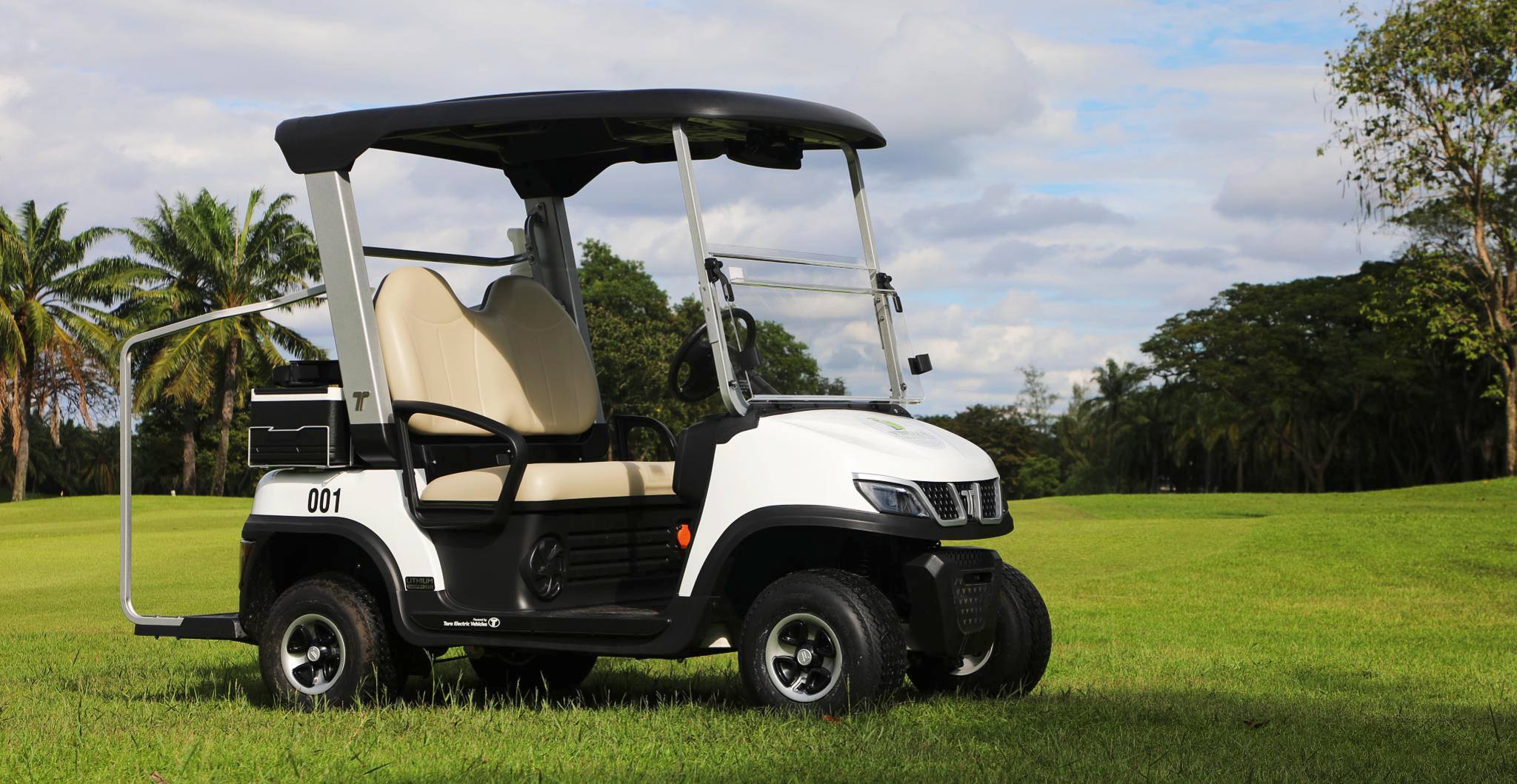
Why Utility Task Vehicles with Roofs are Becoming Increasingly Important
Traditional utility task vehicles primarily serve short-term use on the course, but as applications expand, vehicles need to adapt to more complex outdoor environments. The biggest advantage of Utility Task Vehicles with Roofs lies in enhancing all-weather usability.
First, the roof effectively blocks sunlight. In high-temperature regions like the South and Southwest, prolonged exposure to direct sunlight significantly impacts the riding experience. A Utility Task Vehicle with a roof can reduce interior temperature and improve comfort.
Secondly, the roof provides some rain protection. For resorts, communities, and property management settings, the vehicle can still operate normally even in light rainfall.
Furthermore, modern Utility Task Vehicle roof designs are no longer just simple sunshades but are increasingly integrated into the overall vehicle design, including:
Integrated body exterior
Reinforced support structure
Extended roof storage
Solar Roof
Integrated LED lighting and audio systems
How Roof Design Impacts Commercial Operations
For Golf Course and Resort operators, vehicle comfort directly impacts customer experience. Especially in high-end courses and resorts, users are increasingly concerned with:
Ride comfort
Vehicle exterior
Sunshade effect
Ventilation experience
All-weather usability
Therefore, Utility Task Vehicles with roofs are generally more suitable for commercial-grade fleet operations.
Meanwhile, in the community and UTV Utility Task Vehicle market, the roof also enhances the vehicle’s daily practicality, making it closer to a light-duty community electric vehicle.
Lithium-ion Battery System and Roof Design Upgrades
With the increasing prevalence of Lithium Utility Task Vehicle technology, modern Utility Task Vehicles with Roofs are not only more comfortable but also more efficient.
Compared to traditional lead-acid models, lithium-ion electric Utility Task Vehicles offer:
Longer range
Lighter weight
Lower maintenance costs
More stable power supply
This means that even with the addition of features such as roofs, lights, or GPS systems, the vehicle can still maintain good energy efficiency.
Furthermore, some high-end models are beginning to explore the Solar Roof direction, using rooftop solar power to improve energy utilization and further promote the intelligent and low-carbon development of Utility Task Vehicles.
How Tara meets the needs of the modern Utility Task Vehicle market
Tara focuses on:
Electric Utility Task Vehicle
Golf Course Fleet Vehicles
Utility Vehicles
For the Utility Task Vehicle with Roof market, Tara prioritizes a commercial-grade user experience and long-term operational stability.
Commercial-Grade Vehicle Design
Suitable for high-frequency use in golf courses, resorts, and communities.
Lithium-ion Battery Integration
Helps reduce long-term operating and maintenance costs.
Multi-Scenario Adaptability
Covering Golf Courses, Community Mobility, and Resort Transportation.
Focus on Comfort and Aesthetics
Modern Roof design enhances the overall vehicle image and user experience.
Future Trends of Utility Task Vehicles With Roof
In the coming years, Utility Task Vehicles With Roof are expected to continue developing in the following directions:
Integrated aerodynamic design
Solar Roof application
Intelligent lighting system
Lighter materials
As Utility Task Vehicles gradually evolve into lightweight, intelligent electric vehicles, the Roof will also evolve from a basic feature to an important functional platform.
FAQs
Q1: Why do most modern utility task vehicles have roofs?
Because a roof provides shade, rain protection, and better riding comfort, making it suitable for long-term outdoor use.
Q2: Is a utility task vehicle with a roof better for commercial use?
Generally. For golf course and resort operations, roofs enhance customer experience and all-weather operational capabilities.
Q3: Do roofs affect electric utility task vehicle performance?
Under normal circumstances, the impact is minimal, especially for lithium utility task vehicles which typically maintain good range.
Q4: Can utility task vehicle roofs support extra features?
Yes. Some models can integrate LED lighting, storage space, GPS devices, and even Solar Roof systems.
Conclusion
For modern golf courses, resorts, and community transportation, electric utility task vehicles with roofs offer greater comfort, stronger all-weather adaptability, and a more modern fleet image. Brands combining lithium battery technology with commercial-grade design, such as Tara, will be better aligned with future trends in the utility task vehicle market.
Post time: May-18-2026